Margao, Goa: Why South Goa’s Commercial Hub Deserves More Than a Passing Glance
Ask most travelers what they know about Goa and you’ll hear about Baga, Calangute, and beach shacks in the north. Margao — also known as Madgaon — rarely makes the list, and that’s exactly why it’s worth a visit. As the largest town in South Goa and the district headquarters of Salcete, Margao is where Portuguese-era architecture, a working municipal market, church squares, and everyday Goan life come together without a tourist strip in sight. If you want a fuller picture of Goa beyond its coastline, Margao is where you find it.
Where Is Margao and Why Does It Matter?
Margao sits in South Goa, roughly 33 km from the state capital Panaji and close to Goa’s main railway station, Madgaon Junction — one of the busiest stops on the Konkan Railway line. Because of this, Margao functions as South Goa’s transport and commercial hub, connecting travelers heading to beaches like Colva, Benaulim, and Varca, as well as inland heritage towns like Chandor and Rachol.
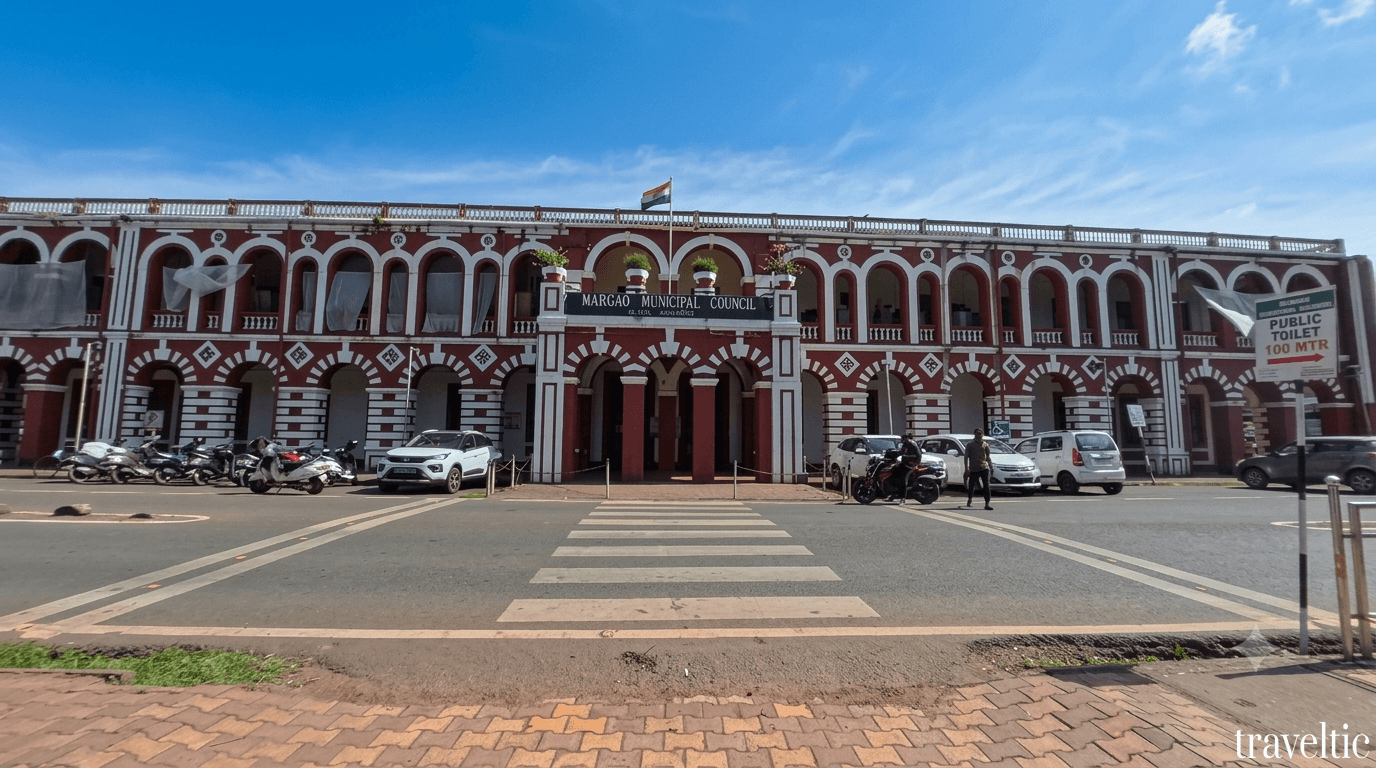
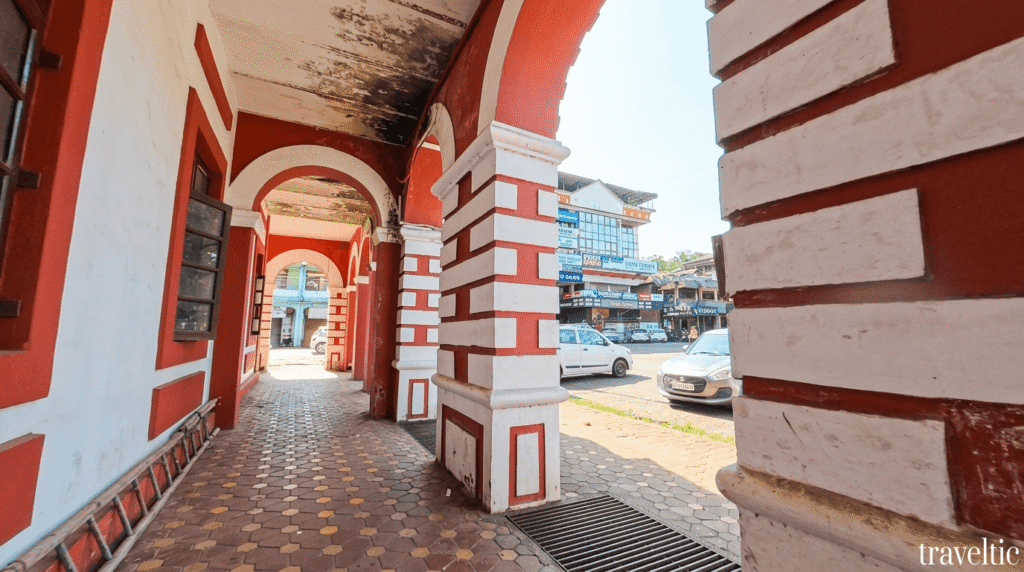
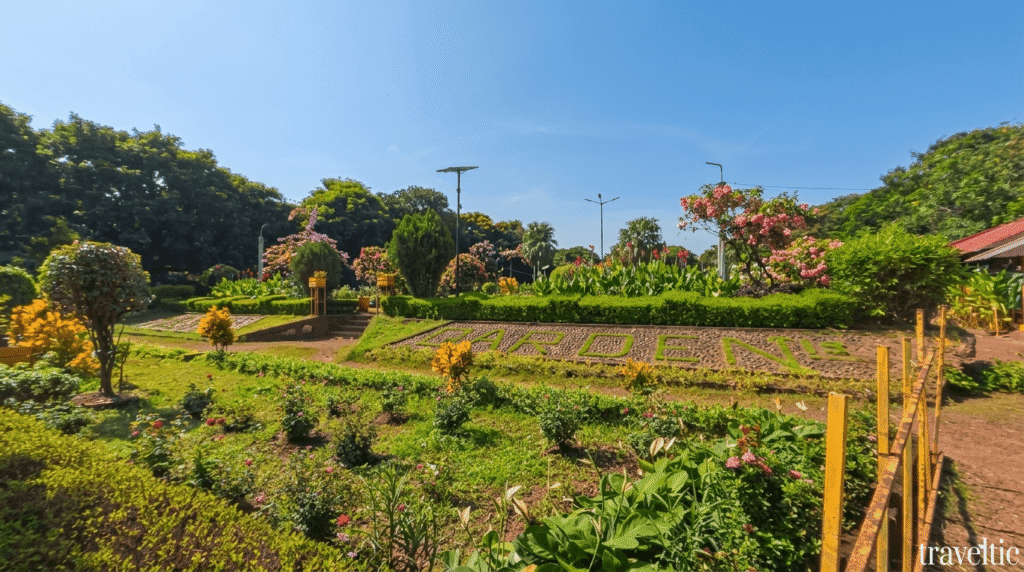
Unlike the beach belt, Margao grew as an administrative and trading center under Portuguese rule, and that history is still visible in its layout: a central municipal garden, a grand old church, colonial-era mansions, and a market that has run in some form for generations.
A Brief History of Margao
Margao’s roots go back to well before Portuguese arrival, when it was a prosperous agrarian settlement under Hindu rule, home to temples dedicated to local deities. After the Portuguese took control of the Salcete region in the 16th century, many original temples were destroyed and churches were built in their place — a pattern common across Old Conquest territories in Goa.
Over the following centuries, Margao grew into a key trading post and later became the administrative center of Salcete taluka. Wealthy Goan families built large mansions here, several of which still stand today and offer a glimpse into 18th- and 19th-century Indo-Portuguese domestic architecture.
Since Goa’s liberation in 1961, Margao has continued to expand as South Goa’s main commercial and educational center, while still retaining much of its old town character around the church square and market area.
Top Things to Do & See in Margao
1. Church of the Holy Spirit
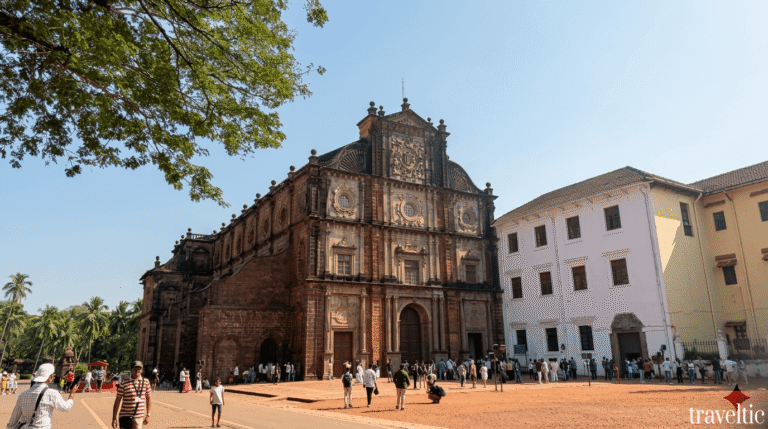
Dominating the town’s main square, this is one of Goa’s most important churches, rebuilt in the early 1600s on the site of an earlier structure. Its whitewashed facade, elaborate altar, and the surrounding Largo de Igreja square (lined with old mansions) make it a natural starting point for exploring Margao on foot.
2. Margao Municipal Market
A working market rather than a tourist bazaar, this is where locals buy fish, spices, vegetables, and household goods. It’s one of the best places in Goa to see everyday life up close — expect narrow lanes, the smell of dried fish and fresh coriander, and vendors who’ve run their stalls for decades.
3. Old Ward / Largo de Igreja Heritage Walk
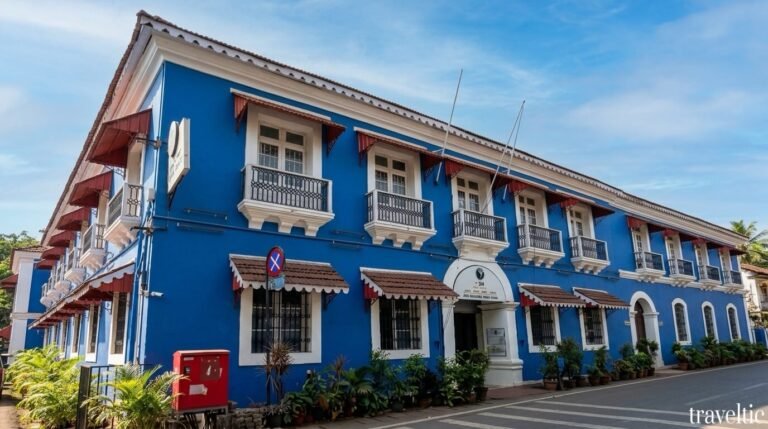
The residential lanes around the church square hold some of Margao’s finest colonial-era houses, many still privately owned and lived in. A slow walk here reveals balconies, oyster-shell windows, and pastel facades typical of Indo-Portuguese architecture.
4. Sat Burnzam Ghor
Literally “Seven Gables House,” this 19th-century mansion is one of Margao’s most photographed heritage buildings, known for its distinctive stepped gable roofline — a rare architectural survivor in the area.
5. Rosario Church & Chandreshwar-Bhutnath Temple (Day Trips)
Just outside town, sites like the hilltop Chandreshwar-Bhutnath Temple near Chandor offer a quieter, older side of Goan spiritual history, easily combined with a half-day out of Margao.
Food & Local Eats in Margao
Margao is arguably a better food town than most of the beach belt, simply because it caters to locals first.
- Local cafés and udipi joints around the market serve strong filter coffee and quick South Indian-Goan breakfasts
- Traditional Goan bakeries sell poi (local bread), bhakarwadi, and other snacks fresh through the day
- Fish thali spots near the market area are a reliable way to eat Goan seafood at local prices
- Confeitarias (Goan-Portuguese bakeries) around the old town are worth seeking out for bebinca and other traditional sweets
How to Reach Margao
By train Madgaon Junction is South Goa’s main railway station and one of the best-connected stations on the Konkan Railway, with regular trains from Mumbai, Bengaluru, and other major cities.
By air Goa’s Dabolim Airport (and the newer Manohar International Airport in North Goa) both connect to Margao by taxi or bus, with Dabolim being the closer of the two.
By road Margao is well connected by highway and local bus routes to Panaji (about 33 km), Colva, Benaulim, and other South Goa towns.
Within Margao The old town center is very walkable. For trips to nearby beaches or heritage villages, autos, taxis, or a rented scooter are the easiest options.
Best Time to Visit Margao
Season
- Best months: November to February, for cooler, drier weather that suits walking around the old town and market
- Shoulder season: October and March can still work if you don’t mind more heat and humidity
- Monsoon (June–September): quieter and greener, but many outdoor heritage walks are less comfortable
Time of day
- Morning: the market is liveliest early, before the midday heat sets in
- Late afternoon: good light for photographing the church square and old mansions
Nearby Places to Combine With Margao
Margao’s location makes it a natural base or stopover for exploring South Goa.
1. Colva & Benaulim Beaches — about 20–25 minutes away, offering a calmer beach experience than the north.
2. Chandor — home to the Braganza House, one of Goa’s grandest colonial-era mansions, roughly 30 minutes from Margao.
3. Rachol Seminary & Church — a striking Portuguese-era religious complex a short drive from town.
4. Loutolim — a heritage village known for its old Goan houses and quiet countryside lanes.
Practical Tips for Visiting Margao
Footwear: comfortable walking shoes for the market lanes and old town streets Timing: visit the market in the morning for the freshest produce and liveliest atmosphere Respectful photography: ask before photographing people at the market or inside private heritage homes Cash: smaller stalls in the market may not accept cards — carry some cash Combine with a beach day: Margao pairs naturally with a morning in town and an afternoon at nearby Colva or Benaulim
Final Thoughts
Margao won’t give you a sunset party or a beach shack playlist, but it will give you a clearer sense of what Goa actually looks like day to day — its markets, its architecture, its food, and its history layered from Hindu rule through Portuguese colonization to the present. For travelers willing to step off the beach circuit for an afternoon, Margao is one of the most rewarding stops in South Goa.
Is Margao the same as Madgaon?
Yes, Margao and Madgaon refer to the same town in South Goa — Madgaon is the name used for the railway station and in more formal/official contexts.
How far is Margao from Panaji?
Margao is roughly 33 km from Panaji, about a 45–60 minute drive depending on traffic
What is Margao known for?
Margao is known for its municipal market, colonial-era architecture around the Church of the Holy Spirit, and its role as South Goa’s main commercial and transport hub.
How do I get to Margao from Goa’s airports?
From Dabolim Airport, Margao is a short taxi ride of around 25–30 minutes. From Manohar International Airport in North Goa, it’s a longer drive of roughly 1.5–2 hours.
Is Margao worth visiting if I’m staying on the beaches?
Yes — Margao makes an easy half-day or full-day trip from beaches like Colva, Benaulim, or even further-flung spots, especially if you want markets, food, and heritage architecture rather than more beach time.
What is the best time of day to visit Margao Market?
Early morning is best, when the market is at its liveliest and before the midday heat and crowds build up.
Can I combine Margao with other heritage sites in South Goa?
Yes — Chandor (Braganza House), Rachol Seminary, and Loutolim are all within a short drive and pair well with a Margao visit.