
Aguada Fort Museum (Lower Fort): Why This Jail-Turned-Museum Deserves a Spot on Your Goa Itinerary
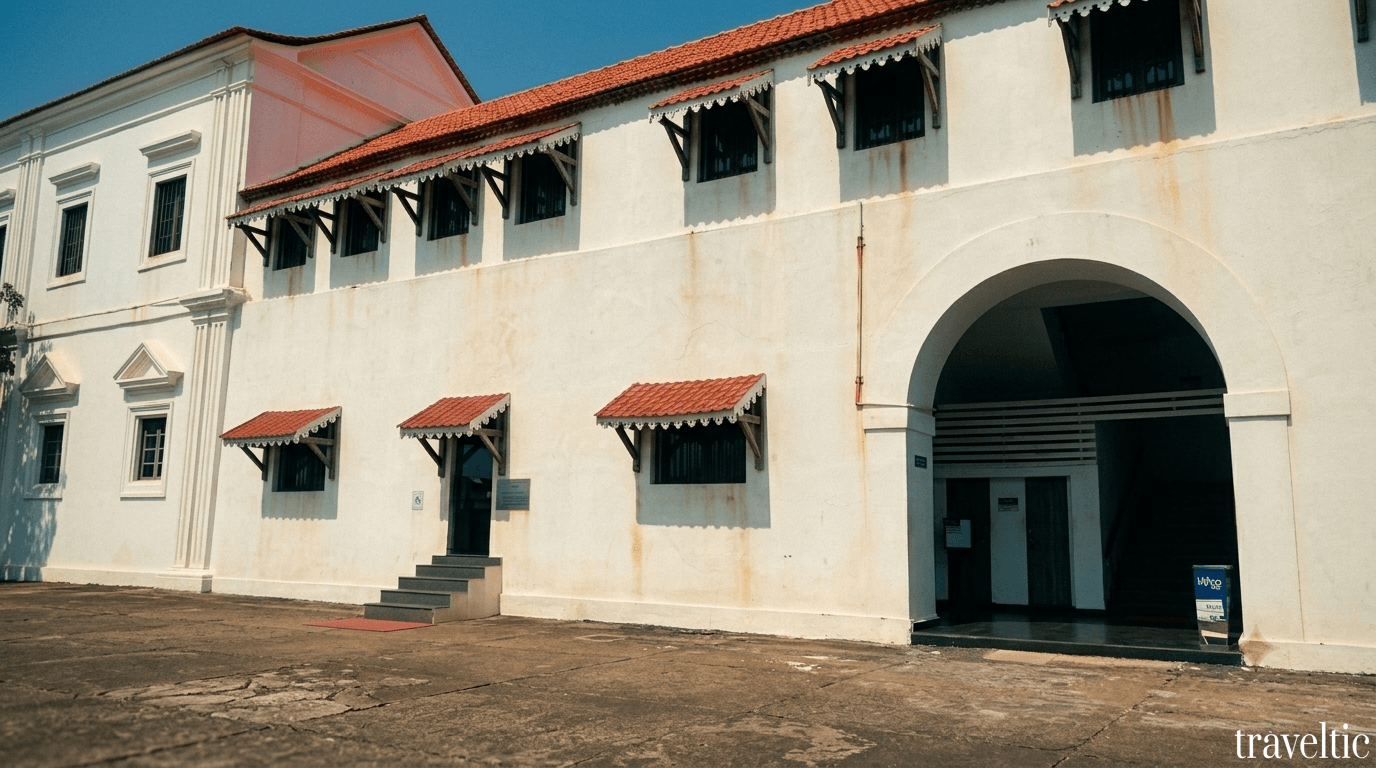
Most visitors to North Goa head straight for the beaches and never look twice at the old fort walls above Sinquerim. That’s a shame, because tucked into the lower half of Fort Aguada is one of the state’s most affecting heritage sites: a 17th-century Portuguese jail that has been reopened as a walk-through museum on Goa’s colonial past and its fight for freedom. Aguada Fort Museum (Lower Fort) puts you inside real prison cells, art installations, and gallery spaces, all just steps from the Arabian Sea. For travellers who want more than a tan and a sunset photo, it’s an easy addition to a North Goa trip.
What Is Aguada Fort Museum (Lower Fort)?
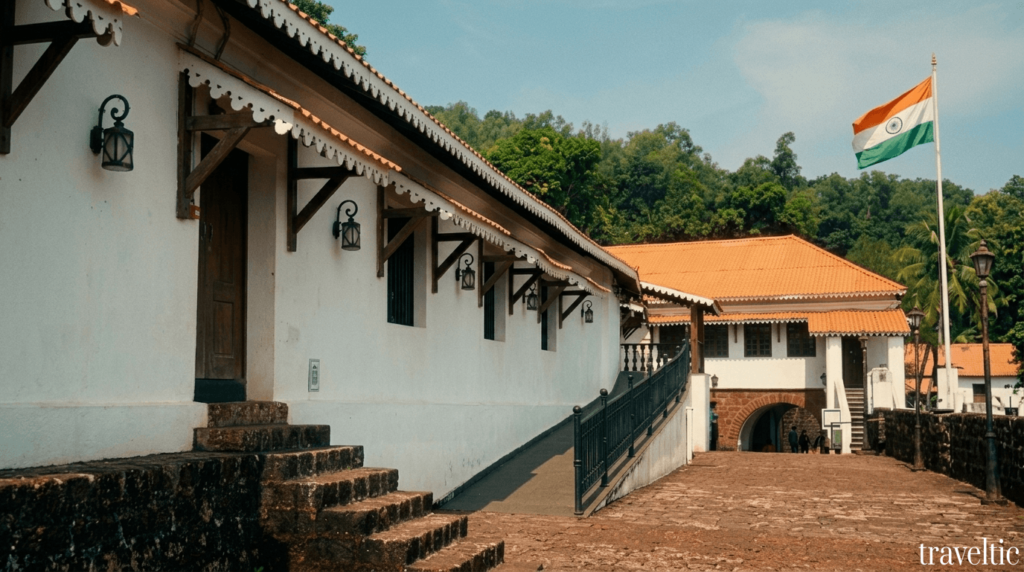
Fort Aguada was raised in 1612 on Sinquerim Hill to guard the mouth of the Mandovi River and keep Dutch and Maratha fleets at bay. The complex splits into two distinct zones:
- Upper Fort Aguada — the ramparts, the old lighthouse, and the great freshwater tank
- Lower Fort (Aguada Fort Museum / Aguada Jail Museum) — the coast-hugging section that later became a high-security prison and now operates as a museum
The lower fort served as Goa’s central jail right up until 2015, holding political detainees and freedom fighters both during and after Portuguese rule. It reopened in 2021 as an immersive heritage museum tracing Goa’s path from colonization to liberation.
A Brief History of Aguada Fort and the Lower Fort Jail
A strategic Portuguese stronghold
Built in 1612, the fort commanded the Mandovi estuary and the approach to the port of Goa. Its name comes from the Portuguese word for “water” — a nod to the large freshwater spring and storage tanks that once resupplied passing ships. At its peak, the fort bristled with cannons and held some of the region’s most important water reserves.
From shipping outpost to prison
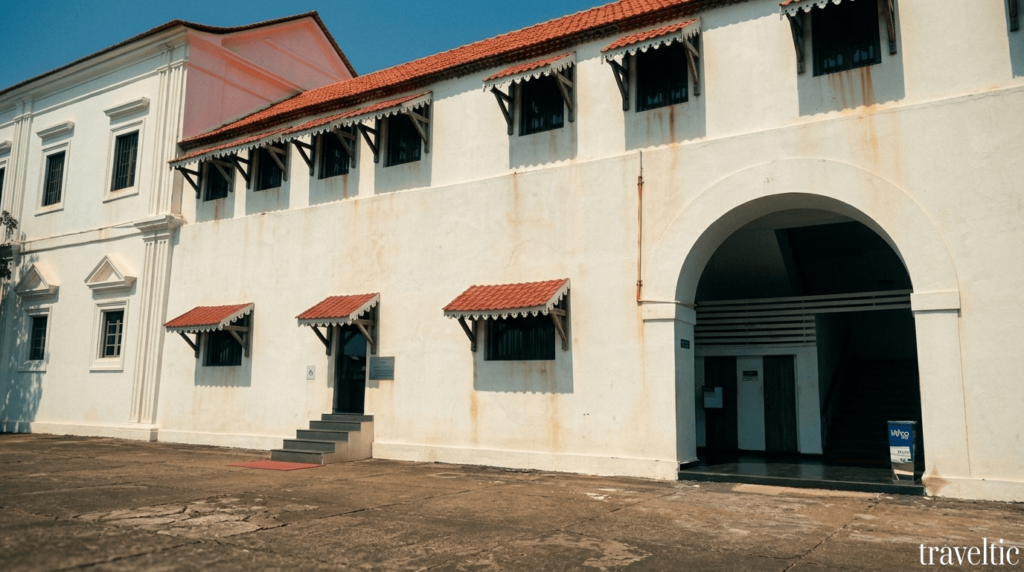
The lower section originally functioned as a berthing area, where ships stopped to take on water and shelter along the coast. Under the Salazar-era administration, part of this lower fort was converted into a high-security prison used mainly to hold political opponents and independence activists.
Countless Goan freedom fighters were imprisoned and mistreated here in the years leading up to liberation in 1961. The jail kept operating for decades afterward, until inmates were finally relocated to a new facility in Colvale around 2015.
Rebirth as a museum
After the jail closed, authorities restored the site and reopened it as a walk-through museum and liberation memorial on 19 December 2021 — Goa Liberation Day. The experience now combines:
- Restored prison cells
- Audio-visual galleries
- Installations tied to the liberation movement
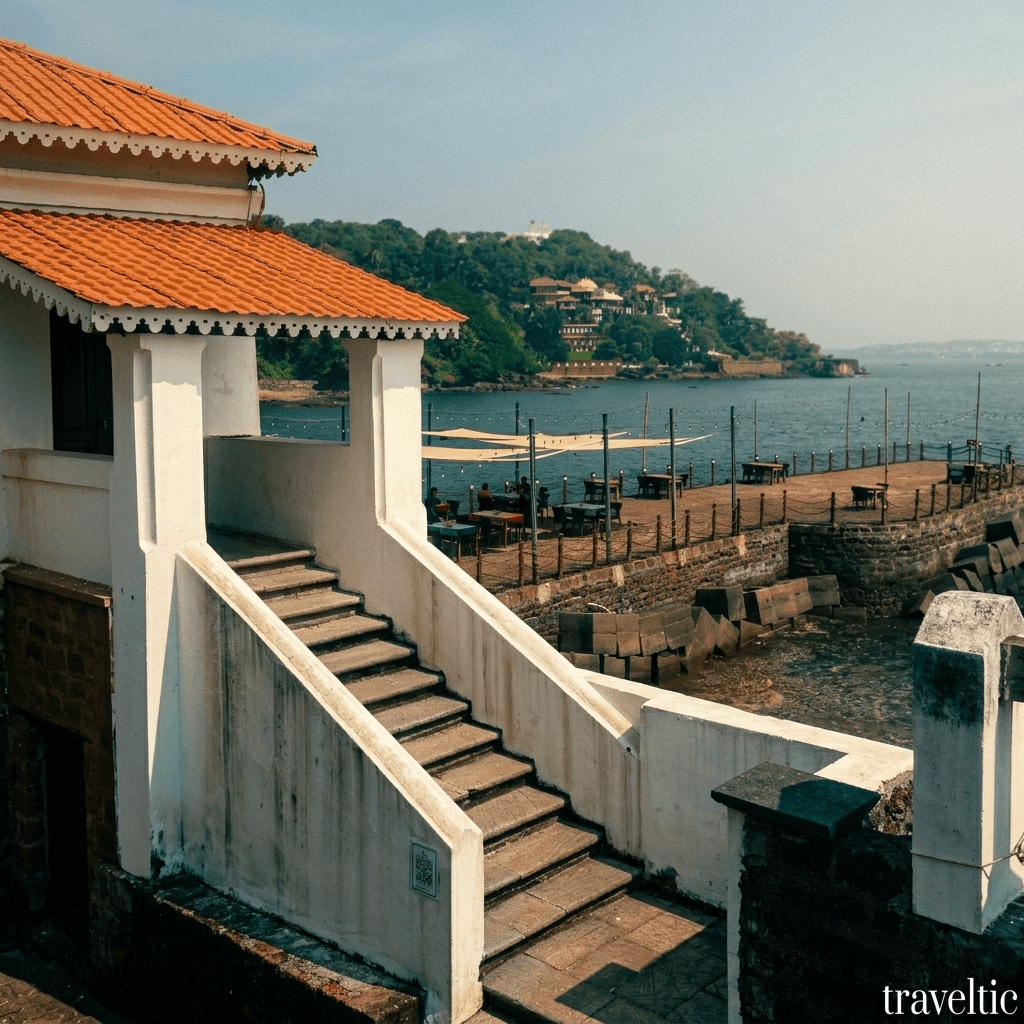
- Sea-facing viewpoints along original fort architecture

Aguada Fort Museum: Timings, Location & Tickets
Timings
Most listings for the wider Fort Aguada complex, including the museum, show:
- Open daily: 8:30 AM – 5:30 PM
- Last entry: around 5:00 PM
Timings can shift around holidays or special events, so it’s worth a quick check before you head out.
Tip: Arrive by mid-to-late afternoon so you can move through the galleries unhurried, then catch the light over the sea as you finish up.
Location
- Area: Sinquerim, North Goa
- Distance: roughly 16–18 km from Panaji and about 4–6 km from Candolim, overlooking the Mandovi estuary and the open sea
Tickets
Expect a modest entry fee for the Aguada Port & Jail Museum section, while some parts of the upper fort remain free. Prices and combo passes change from time to time, so confirm current rates through the official complex site or the Goa Tourism listing before you go.
Things to See Inside Aguada Fort Museum (Lower Fort)
1. Freedom Struggle & Liberation Galleries
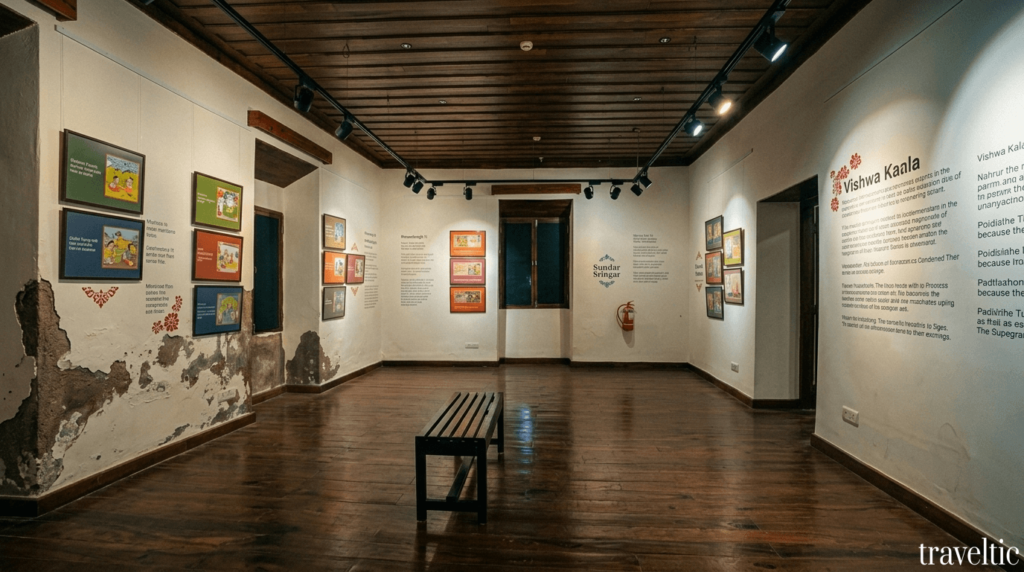
The heart of the museum traces Goa’s shift from Portuguese rule to liberation in 1961, using panels, photographs, and audio-visual displays covering:
- The history of Portuguese rule in Goa
- The growth of Goan nationalist movements
- Personal stories of freedom fighters and satyagrahis
- Operation Vijay and the events of 1961
2. Original Prison Cells & Corridors
Walking the old cell blocks is the most striking part of any visit. Preserved and sensitively restored sections include:
- Narrow corridors and dim cells that once held political prisoners
- Separate areas for male and female inmates
- Information boards on jail routines and punishments
- Art installations symbolizing confinement and freedom
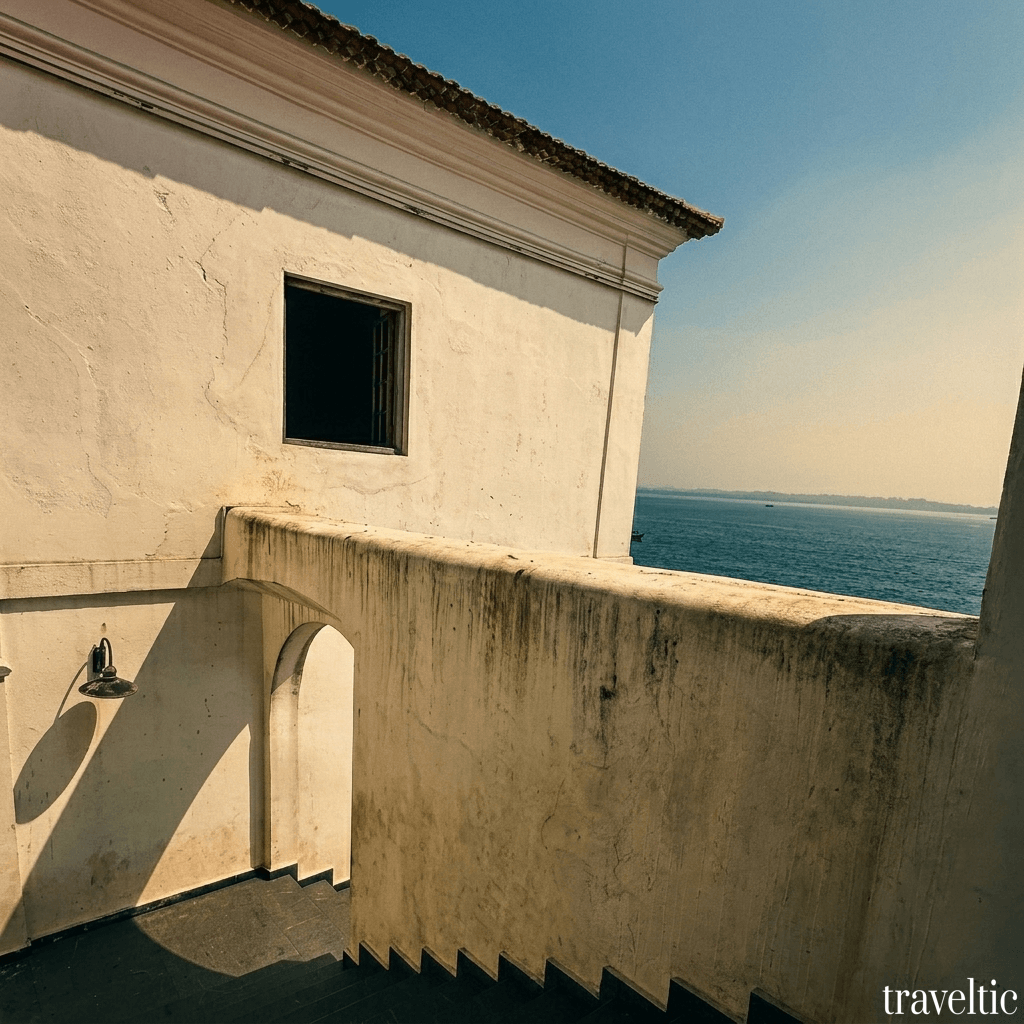
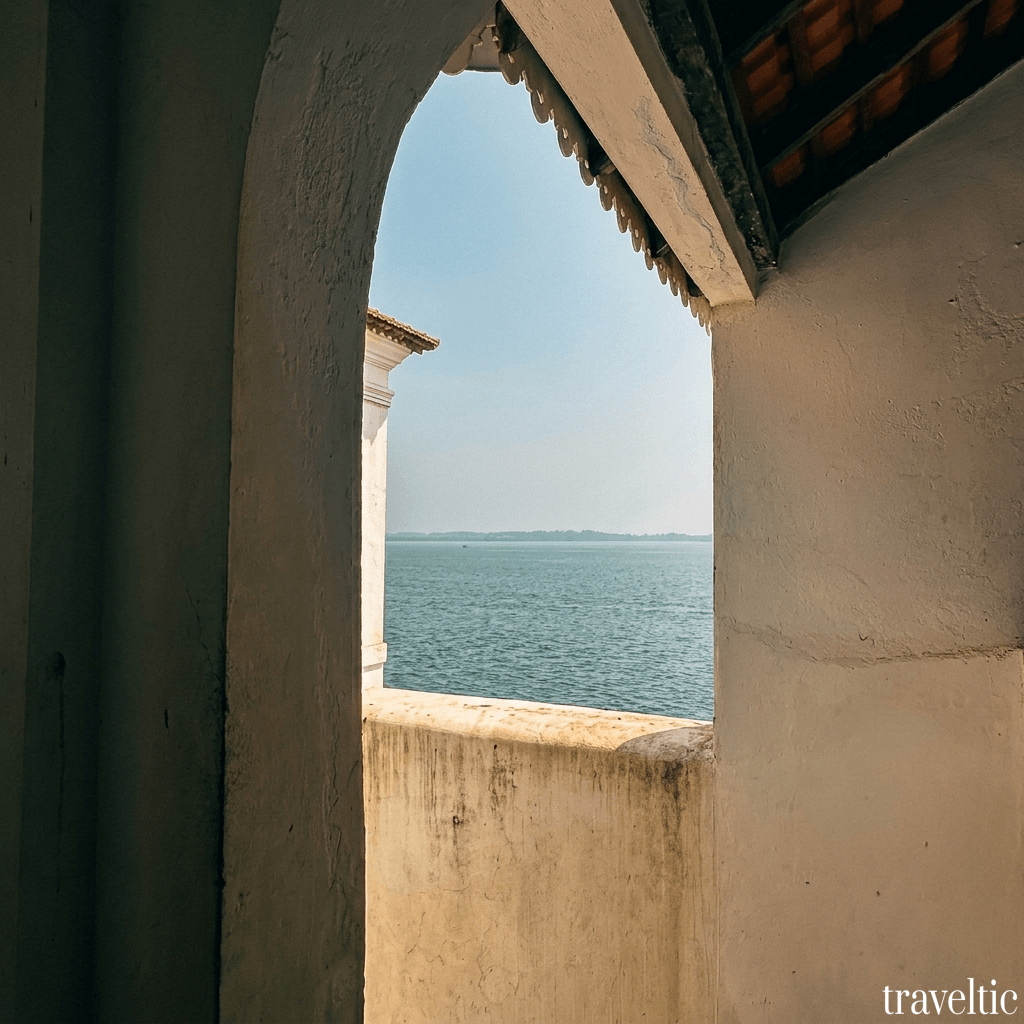
3. Sea Views, Bastions & Cannons
The lower fort’s walls run along bastions and cannon points facing the Arabian Sea and the Mandovi mouth, giving you:
- Sweeping coastline panoramas
- Sightlines across to Panaji
- Some of the best sunset photo spots in North Goa
4. Chapel, Spring & Architectural Details
The site still preserves a small chapel and temple standing side by side — a reminder of Goa’s layered spiritual history — along with remnants of the original freshwater system, fortification walls, watch-turrets, and stone steps bearing old survey markers.
5. Interactive & Audio-Guide Experiences
The museum is built around storytelling, with a curated audio-guide experience featuring:
- QR codes and panels that trigger narrated segments
- Thematic zones representing different eras
- Signage in multiple languages
Upper Fort vs Lower Fort: What’s the Difference?
Many visitors only ever see the upper fort — here’s how the two compare so you can plan your time well.
Upper Fort Aguada
- Hilltop ramparts and fortifications
- The large original freshwater reservoir
- A 19th-century lighthouse with views toward Candolim and Calangute
- A well-known sunset and photography spot
Lower Fort / Aguada Fort Museum (Aguada Jail Museum)
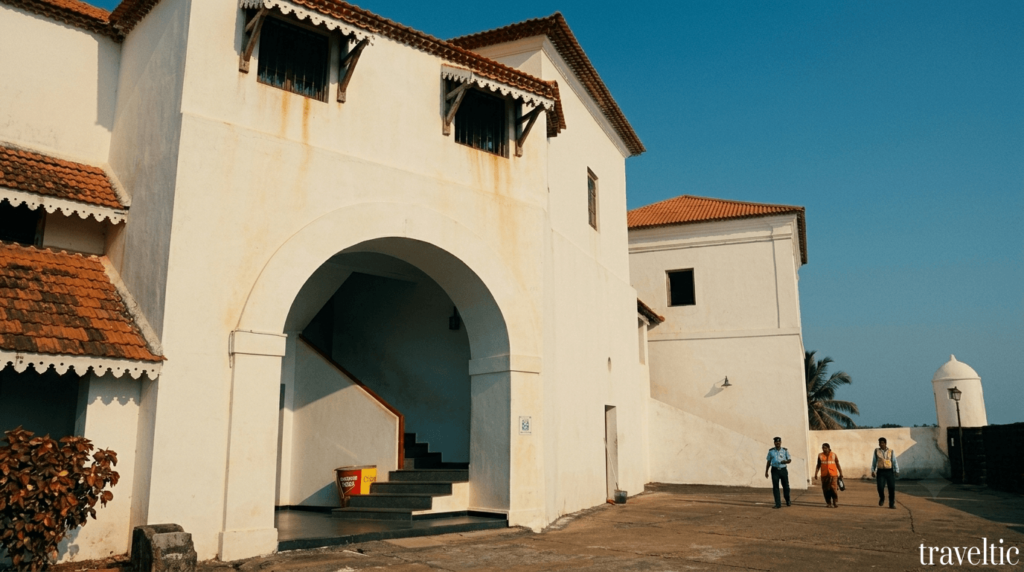
- Sits at sea level, hugging the coastline
- The former central jail, now a heritage museum
- Freedom-struggle galleries, restored cells, and sea-facing bastions
Suggested plan: Start at the upper fort for the classic ramparts-and-lighthouse view, then head down to the lower fort museum for a slower, more personal look at Goa’s history.
How to Reach Aguada Fort Museum (Lower Fort)
From Panaji
- By taxi/cab: 30–40 minutes depending on traffic. Ask to be dropped at the Aguada Port & Jail Complex entrance.
- By scooter/bike: Rentals are easy to find in Panaji or Candolim; the coastal road via Miramar and Candolim makes for a scenic ride.
From Calangute / Candolim / Baga
- Candolim to Aguada is a short 10–15 minute ride; Calangute and Baga are a little further north.
- Buses generally drop passengers near the Sinquerim main road, from where a short taxi ride or walk gets you to the entrance.
Tip: Parking fills up fast on weekends and holidays — aim for earlier in the day or late afternoon.
Best Time to Visit Aguada Fort Museum
Season
- Best months: November to February, for cooler weather and clearer skies
- Avoid: peak monsoon if heavy rain isn’t your thing, though the fort has its own dramatic look in the wet season
Time of day
- Early morning: softer light, thinner crowds — ideal for photos and unhurried gallery time
- Late afternoon: pairs your visit with golden hour and sunset from the bastions
Photography & Content Creation Tips
Aguada Fort Museum is genuinely useful footage territory if you make travel content:
- Use the arched corridors and barred windows of the old cells for moody portrait shots
- Frame contrast shots — weathered prison doors in the foreground, open sea behind
- Record short explainer clips on Goa’s freedom struggle using exhibits as your backdrop
- On Instagram, mix informative carousels (history + practical tips) with POV walk-through reels
Nearby Places to Combine With Aguada Fort Museum
Fort Aguada sits well within a half-day or full-day North Goa loop.
1. Upper Fort Aguada & Lighthouse — just uphill, with one of the region’s oldest lighthouses and 360-degree views.
2. Sinquerim Beach — a quieter North Goa stretch right below the fort walls.
3. Candolim, Calangute & Baga — spend the morning at the museum, then move on to Candolim for brunch, and Calangute or Baga for water sports and nightlife.
Practical Tips for Visiting
- Footwear: wear comfortable shoes — there are slopes, stairs, and stone corridors throughout
- Hydration: carry water, especially outside the cooler months
- Respectful behaviour: this is a former jail and a memorial to freedom fighters — keep noise and disruption to a minimum
- Guided walks: local operators run Aguada Port & Jail heritage walks that add useful context and stories
- Check for updates: timings, prices, and exhibitions can change — confirm with official sources before visiting
Final Thoughts
Aguada Fort Museum (Lower Fort) is where Goa’s postcard coastline meets a harder, more complicated history. In a single visit you get first-hand stories of resistance, atmospheric old prison corridors, and some of North Goa’s most underrated sea views — all in a compact, walkable site. If your Goa trip is about more than beaches, this is worth building into the plan.